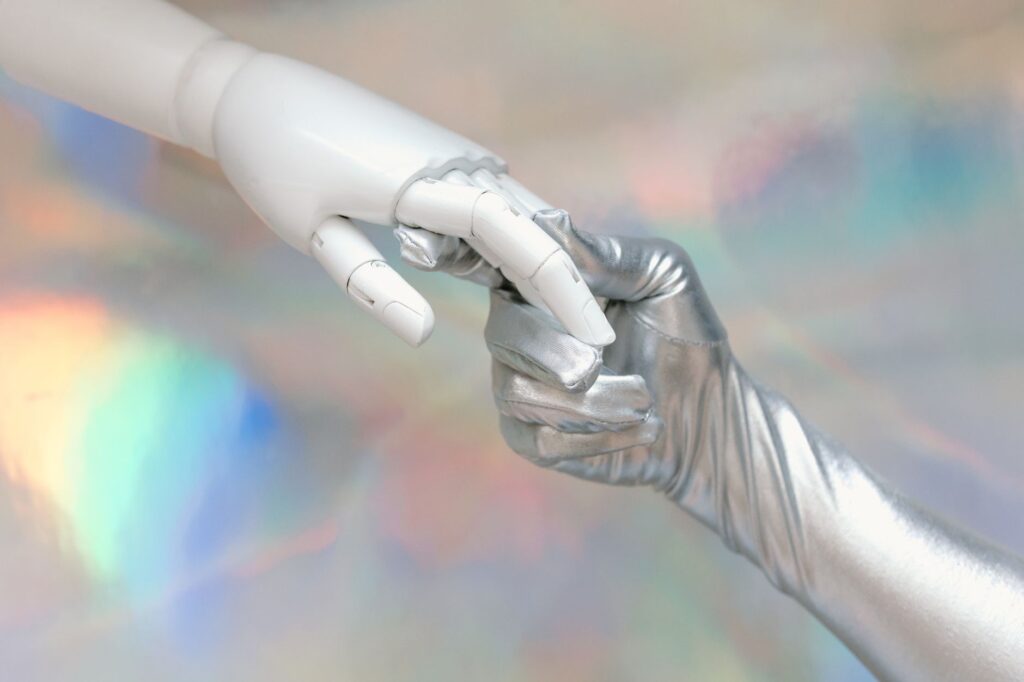
Tech‑enabled emotional labor is becoming a core structural component of modern organizations, as AI chatbots and sentiment‑analysis platforms move empathy from human to algorithm. A measurable share of firms now rely on AI to mediate customer and colleague interactions, redefining career capital and institutional power.
The acceleration of AI adoption coincides with a systemic re‑weighting of emotional intelligence as a decisive competitive asset. As organizations embed affective algorithms into service and internal communication channels, the boundary between human judgment and machine‑mediated affect blurs, reshaping leadership expectations and the economics of career mobility. This analysis maps the mechanisms, implications, and stakeholder impacts of that shift.
AI‑driven affect reshapes the architecture of workplace emotional labor
AI‑driven automation of affective tasks is reshaping the architecture of workplace emotional labor. By 2025, three‑quarters of companies are projected to deploy AI‑powered chatbots for customer service, moving routine empathy into algorithmic flows. Simultaneously, a measurable share of employees—reported at 60% in recent surveys—use AI tools to convey tone and sentiment in internal communications, indicating a rapid diffusion of affective technology across functional boundaries. This diffusion reconfigures the institutional scaffolding of work: tasks once tied to personal rapport now hinge on algorithmic precision, altering the distribution of career capital.Core mechanisms: sentiment analysis, prompt fatigue, and higher‑order empathy

Systemic implications for leadership and institutional power
The reallocation of emotional labor reconfigures power structures within firms. Leaders who can orchestrate AI‑augmented empathy gain disproportionate influence, as decision‑making increasingly relies on algorithmic sentiment dashboards. This shift amplifies institutional power for technology‑savvy executives while marginalizing managers whose authority rested on personal rapport. Moreover, the commodification of routine affect erodes traditional career ladders, replacing tenure‑based progression with competency in AI‑mediated communication. As a result, career mobility becomes contingent on mastering both emotional intelligence and AI toolchains, creating a new hybrid form of capital that reshapes promotion pathways and compensation models.Stakeholder impact: winners, losers, and the new skill imperative

Outlook: a three‑to‑five‑year trajectory for tech‑enabled emotional labor
Over the next three to five years, AI‑mediated emotional labor is expected to become a standard operating layer across customer‑facing and internal functions. Adoption rates for sentiment‑analysis APIs are projected to climb, while regulatory scrutiny of algorithmic bias in affective computing intensifies, prompting firms to embed ethical oversight into AI governance. Companies that integrate AI‑augmented empathy with robust human‑centric training will likely capture a competitive edge in talent attraction and retention. Conversely, firms that treat affective AI as a cost‑only lever may encounter heightened turnover and reputational risk as employees demand authentic, human‑backed interaction. The trajectory suggests a convergence of technology, leadership, and emotional skill sets into a unified competency framework that will shape career capital for the foreseeable future.
The evolving landscape of tech‑enabled emotional labor underscores the urgency for organizations to redesign talent strategies, aligning AI capabilities with authentic human connection to sustain productivity and equitable career pathways.
Key Structural Insights
Insight 1: AI automation of routine affect creates a premium on higher‑order empathy, reshaping performance metrics and career ladders across sectors.
Insight 2: Leaders who master AI‑augmented emotional intelligence gain disproportionate institutional power, redefining authority within organizations.
Insight 3: Workforce resilience now depends on hybrid skills that combine emotional intelligence with algorithmic literacy, dictating future mobility and talent retention.
Emotional Intelligence Evolves: As AI-powered tools assume routine emotional tasks, human workers must adapt by developing more nuanced emotional intelligence, encompassing empathy, self-awareness, and effective communication to complement technological capabilities.
Blurred Lines of Labor: The integration of AI in emotional labor blurs the lines between work and personal life, raising questions about the boundaries of emotional labor, employee well-being, and the potential for burnout in a tech-enabled work environment.
RESEARCH SOURCES: