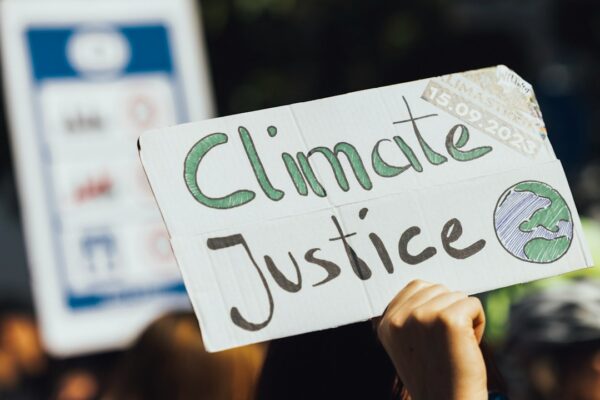


City, Brazil — The demand for sustainable-future/” class=”ca-internal-link”>sustainable products is surging among middle-class consumers in emerging markets, reshaping the landscape of global consumer behavior. This shift is not just a trend; it reflects a fundamental change in how consumers perceive their purchasing power and responsibility.
As of 2025, more than 50% of consumers in Brazil, India, and Indonesia are willing to pay a premium for sustainable products, according to a report by the Boston Consulting Group. This represents a significant increase from previous years, signaling a robust shift towards ethical consumerism across diverse sectors, including agriculture, fashion, and electronics.
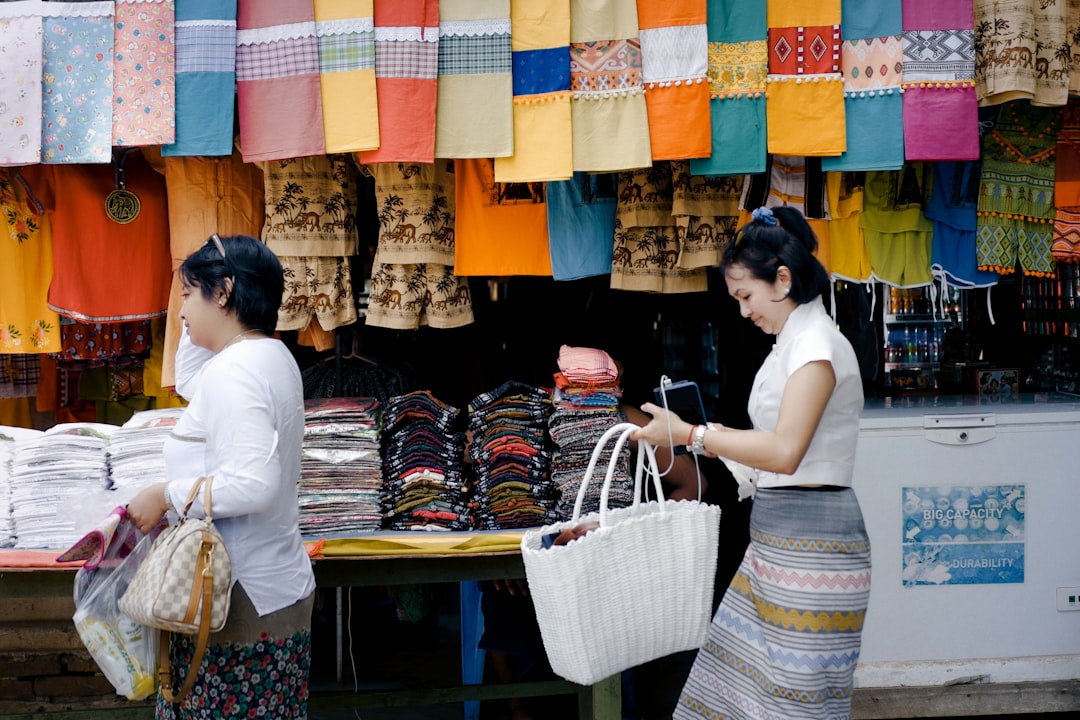
Understanding this phenomenon requires examining the broader context of economic growth and rising affluence in these regions. In Brazil, for instance, the World Bank reported that the middle class grew by 17% between 2015 and 2020, driven by increased access to education and employment opportunities. Similar trends are evident in India and Indonesia, where a burgeoning middle class is increasingly prioritizing environmental and social governance in their purchasing decisions.
As these consumers gain financial power, their preferences are shaping market dynamics. Brands that align with their values are seeing increased loyalty and sales, while those that fail to adapt risk losing relevance. For example, Unilever has reported that its sustainable brands grew 69% faster than the rest of its portfolio in emerging markets, underscoring the financial viability of ethical practices.
However, the shift towards sustainability is not without challenges. The COVID-19 pandemic, for instance, disrupted supply chains and heightened economic uncertainty, leading some consumers to prioritize price over sustainability. A survey by McKinsey revealed that 30% of consumers in emerging markets are willing to compromise on sustainability for lower prices during economic downturns. This highlights the delicate balance brands must strike between maintaining ethical standards and meeting consumer expectations in difficult times.
Moreover, the concept of ethical consumerism varies significantly across different cultures and regions. In India, for instance, the traditional view of sustainability is often intertwined with local customs and practices, such as organic farming and local sourcing. Conversely, consumers in Brazil may focus more on global certifications and brand transparency. Understanding these nuances is crucial for brands aiming to penetrate these diverse markets successfully.
In light of these developments, companies are reevaluating their strategies to meet the rising demand for sustainable products. Brands like Nestlé have committed to sourcing 100% of their coffee sustainably by 2025, reflecting a broader industry trend towards transparency and ethical sourcing practices. Additionally, the rise of social media has empowered consumers to hold brands accountable, as online platforms become crucial for sharing information about sustainable practices and corporate responsibility.
Looking ahead, the future of ethical consumerism in emerging markets appears promising, but it will require continuous adaptation by businesses. As consumer awareness grows, companies will need to invest in sustainable practices and transparent supply chains to maintain their competitive edge.
As the middle-class consumer landscape evolves, brands that foster genuine connections with consumers through shared values will likely thrive. The next wave of consumerism may well be defined by not just what people buy, but why they buy it, urging companies to rethink their approaches and align their missions with the ethical aspirations of a new generation.