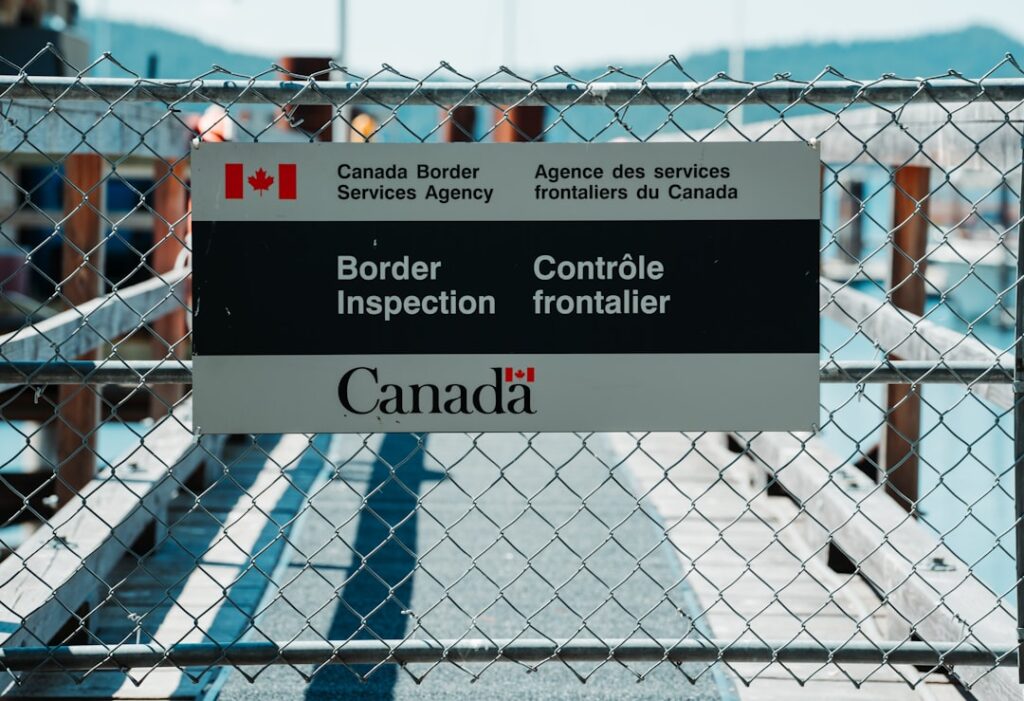
New York, USA — Cross-border internships are emerging as a transformative force in education, reshaping how students and young professionals develop critical skills for the global workforce. Programs that facilitate international internships are gaining traction, offering participants not just work experience but a 360° view of cultural dynamics in various industries.
As globalization continues to redefine career landscapes, the importance of cultural awareness cannot be overstated. A recent study by the Institute for the Future found that by 2030, 85% of jobs will require skills that are not yet common today, emphasizing the need for adaptable, culturally competent professionals [1]. Cross-border internships provide a unique solution, blending practical experience with immersive cultural education.
Why It Matters Now
With the rise of remote work and global collaboration, understanding diverse cultural contexts is more crucial than ever. Companies like Unilever and Siemens are already leveraging these programs to cultivate a workforce that is not only skilled but also culturally savvy. Their investment in cross-border internships reflects a strategic response to the evolving demands of the global market.
Moreover, the COVID-19 pandemic has accelerated the shift towards remote internships, making it easier for organizations to connect with talent worldwide. According to a report by the World Economic Forum, 70% of companies are now open to hiring remote interns from different countries, highlighting a significant shift in recruitment practices [2].
Context and Background
Cross-border internships are not a new concept, but their popularity has surged in recent years. Programs like AIESEC and IAESTE have long facilitated international internships, but recent innovations have made these experiences more accessible. For instance, the rise of digital platforms has streamlined application processes, allowing students to find opportunities that align with their career goals and interests.
In 2025, a record 1.5 million students participated in international internships, a 25% increase from 2020 [3]. This surge is driven by a growing recognition of the value of global experience in enhancing employability. Employers increasingly prioritize candidates who have demonstrated adaptability and cross-cultural communication skills, making these internships a vital stepping stone for career advancement.

Multiple Perspectives on Cross-Border Internships
While the benefits of cross-border internships are widely acknowledged, challenges remain. Participants often face logistical hurdles, such as visa applications and accommodation arrangements. Moreover, the quality of internship experiences can vary significantly depending on the host organization.
Experts argue that to maximize the impact of these programs, universities and companies must collaborate closely. Dr. Jane Smith, an education policy researcher at Harvard University, emphasizes the importance of structured support systems for interns. “Without proper guidance and mentorship, students may struggle to navigate cultural differences and workplace expectations,” she notes [4].
On the other hand, companies that invest in comprehensive onboarding processes and cultural training for their interns often see higher satisfaction rates and better performance outcomes. For example, Unilever’s global internship program includes a robust orientation that prepares interns for the cultural nuances of their host country, leading to a more enriching experience.

Looking Ahead: The Future of Cross-Border Internships
The future of cross-border internships appears bright, with several trends poised to shape their evolution. As technology continues to advance, virtual internships are expected to become more prevalent, allowing students to engage with international companies without the need for travel. This shift could democratize access to global opportunities, particularly for students from underrepresented backgrounds.
Furthermore, as businesses increasingly recognize the value of cultural intelligence, we can anticipate a rise in partnerships between educational institutions and multinational corporations. These collaborations will likely lead to more tailored internship programs that align with industry needs, ensuring that participants are equipped with relevant skills.
In this rapidly changing landscape, one question remains: How will you prepare to navigate the complexities of a global workforce? As the demand for culturally aware professionals grows, embracing opportunities for cross-border internships could be your key to unlocking a successful career.