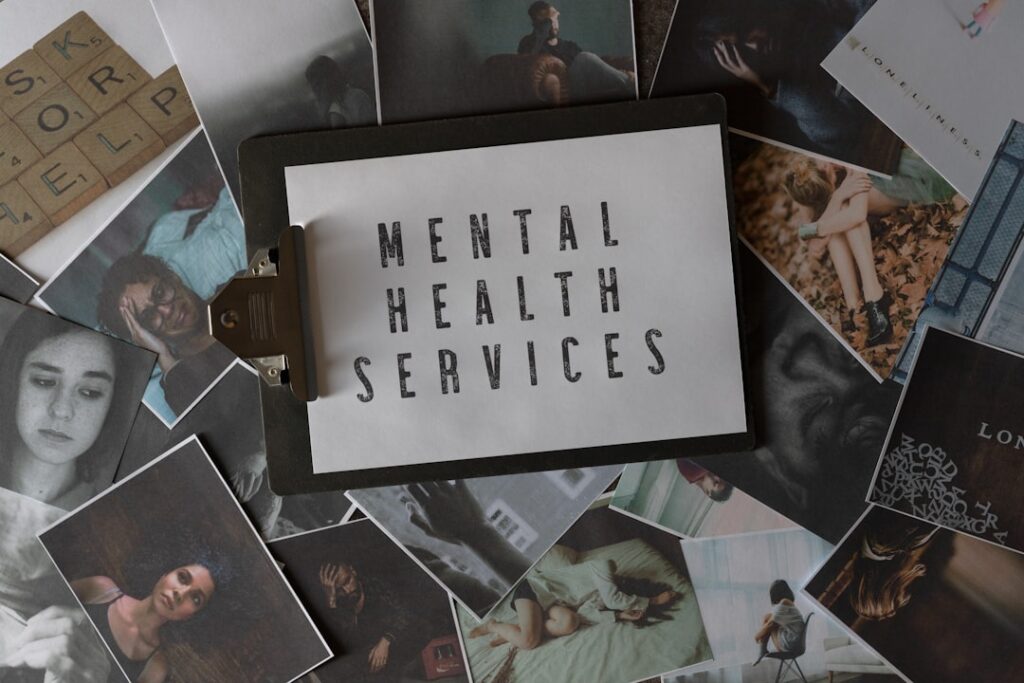
The demand for mental health nurses is growing rapidly. As awareness of mental health issues increases, so does the need for qualified professionals in this field. Mental health nurses play a crucial role in providing care and support to individuals facing various mental health challenges. Their work is essential in promoting mental well-being and ensuring that patients receive the appropriate treatment. This article explores the journey to becoming a mental health nurse, emphasizing the necessary steps, skills, and career opportunities.
In Australia, nearly half of all individuals will experience mental illness at some point in their lives. This staggering statistic underscores the importance of mental health nursing as a vital career choice. According to the Australian Institute of Health and Welfare (AIHW), mental health issues are a significant public health concern, with far-reaching impacts on individuals, families, and communities. AIHW’s research highlights the need for increased support and services.
Understanding the Role of a Mental Health Nurse
Mental health nurses are registered nurses who specialize in supporting individuals with mental health issues. Their responsibilities include assessing patients, delivering treatment, managing records, and collaborating with other healthcare professionals. They work in various settings, including hospitals, community programs, and private practices, focusing on the psychological and emotional well-being of their patients.
One of the key aspects of a mental health nurse’s role is promoting mental health awareness. This involves educating patients and their families about mental health conditions and the importance of seeking help. Mental health nurses also develop treatment plans tailored to individual needs, ensuring that each patient receives personalized care.
Education and Training for Mental Health Nurses
The journey to becoming a mental health nurse typically begins with obtaining a bachelor’s degree in nursing. This foundational education provides essential knowledge in health sciences, patient care, and clinical skills. According to Victoria University Online, aspiring nurses must register with the Australian Health Practitioner Regulation Agency (AHPRA) to practice as registered nurses. Gaining clinical experience is a critical step in this process, with many prospective mental health nurses starting their careers in general nursing roles.
After gaining sufficient experience, many choose to enroll in a graduate mental health nursing program. These programs offer intensive training and professional development opportunities, preparing nurses for specialized roles in mental health. For instance, Mercy Health’s Mental Health Graduate Nurse Program provides clinical rotations and tailored education, helping nurses transition smoothly into mental health specialties.
Challenges and Rewards in Mental Health Nursing
Mental health nurses face unique challenges, including managing complex patient needs and working in high-stress environments. However, the rewards of this career path are significant, with mental health nurses playing a vital role in improving patient outcomes and promoting mental health awareness. The median annual salary for mental health nurses in Australia ranges from $100,000 to $110,000, with experienced professionals earning significantly more.

Moreover, mental health nursing offers a diverse range of career opportunities. With the increasing recognition of mental health issues, there is a growing demand for qualified professionals in this field. Mental health nurses can work in various roles, including clinical positions, nurse practitioners, and leadership roles within healthcare organizations.

Future Prospects in Mental Health Nursing
The future of mental health nursing appears bright, with federal government funding increasing in response to the nationwide mental health workforce shortage. This funding creates more opportunities for aspiring nurses and enhances the support available for mental health services.
As mental health continues to gain attention, the role of mental health nurses will become increasingly crucial. They will be at the forefront of addressing mental health challenges and improving access to care, particularly in underserved areas.
In conclusion, pursuing a career as a mental health nurse is not only a rewarding choice but also a vital contribution to society. With the right education, training, and dedication, individuals can make a significant impact in the lives of those struggling with mental health issues.