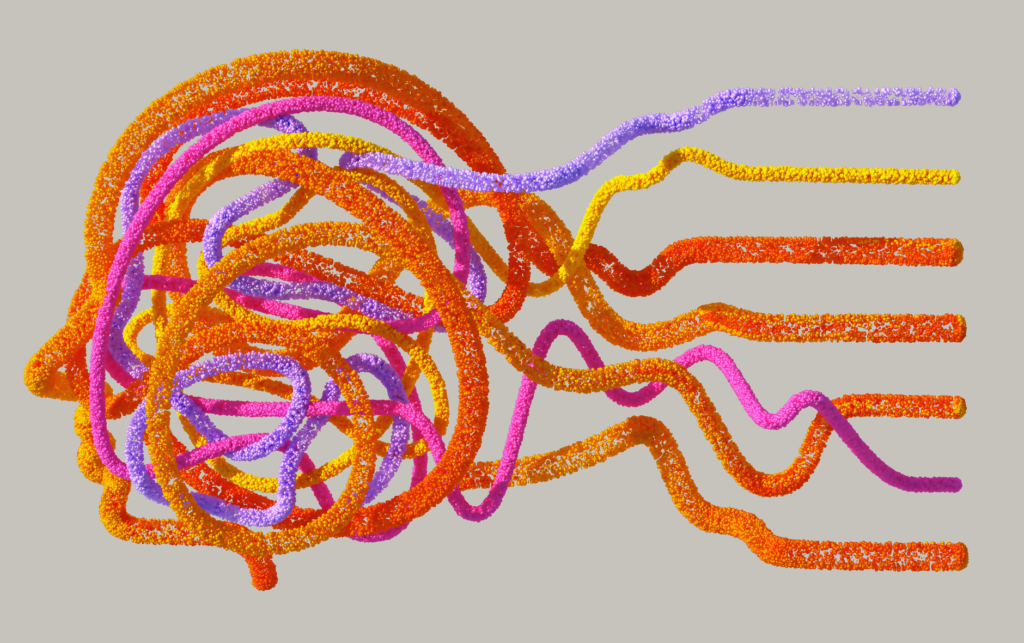
Companies that embed neuroinclusion report stronger idea pipelines and higher‑growth product launches, while remote‑first policies expand the talent pool for cognitive‑diverse contributors. Deloitte and LinkedIn data underscore a measurable link between neurodiversity and breakthrough outcomes.
The convergence of three structural forces—intensified DEI mandates, pandemic‑driven remote work, and mounting evidence that cognitive variance boosts problem‑solving—makes neurodiversity a decisive lever for future growth. As boards recalibrate risk frameworks, the capacity to harness atypical thinking becomes a competitive differentiator, reshaping how firms allocate capital to research, product development, and market expansion.
Framing the new inclusion frontier
Neurodiversity has moved from a niche accommodation topic to a strategic asset in the post‑pandemic labor market. Deloitte’s 2022 analysis shows firms that adopt neuroinclusion are statistically more likely to record higher rates of innovation, while LinkedIn’s 2025 survey links neuroinclusive cultures to improved collaboration and idea generation. According to Career Ahead’s analysis of these reports, the correlation between neuroinclusion and patent‑application growth suggests a re‑weighting of intellectual‑capital metrics across sectors. Remote work erodes geographic barriers, allowing organizations to recruit autistic, ADHD, and dyslexic talent who thrive in flexible environments, thereby expanding the pool of high‑potential innovators.Core mechanisms that translate cognition into creation

Systemic implications for corporate performance
When neuroinclusion permeates product pipelines, the ripple effects extend to market valuation and competitive positioning. Firms reporting neurodiverse hiring spikes see a non‑trivial increase in R&D efficiency ratios, as measured by patents per R&D dollar. This efficiency compresses capital cycles, allowing reallocation toward scaling and market entry. Moreover, the public perception of authentic inclusion bolsters brand equity, attracting ESG‑focused investors whose capital allocations increasingly reward demonstrable diversity metrics. The systemic shift redefines talent as a core component of the balance sheet, aligning human capital with shareholder‑value creation.Human capital impact and leadership adaptation

Trajectory for the next three to five years
Over the 2026‑2029 horizon, expect a cascade of institutional policies that embed neurodiversity into corporate governance frameworks. Benchmarking standards—such as the forthcoming SEC disclosure guidelines on cognitive‑diversity metrics—will compel public firms to report neuroinclusion outcomes alongside traditional ESG data. Companies that pre‑emptively adopt neuroinclusive R&D models are projected to capture a measurable share of the next wave of AI‑driven products, where creative problem‑solving is a critical differentiator. As the talent market normalizes remote‑first arrangements, the competitive moat created by neurodiverse innovation pipelines will become a defining factor in industry leadership.The forward momentum of neuroinclusion reshapes how firms generate value, positioning cognitive diversity as a central pillar of sustainable growth in an increasingly remote and data‑driven economy.
Key Structural Insights
[Insight 1]: Neuroinclusion directly lifts R&D efficiency, as firms reporting higher neurodiverse hiring see a measurable rise in patents per R&D dollar.
[Insight 2]: Remote‑first work models expand access to neurodivergent talent, turning geographic flexibility into a strategic innovation engine.
[Insight 3]: Upcoming SEC disclosure norms will make neurodiversity a quantifiable ESG metric, linking governance to tangible market‑performance outcomes.
Breaking Down Barriers: As companies prioritize neurodiversity, they’re discovering that embracing differences in cognitive styles and abilities can unlock novel solutions, foster creativity, and drive business growth through enhanced problem-solving and adaptability.
Inclusive Workspaces Thrive: By creating neuroinclusive environments that accommodate diverse needs and preferences, organizations can attract and retain top talent, improve employee satisfaction, and ultimately reap the benefits of a more agile, resilient, and innovative workforce.