

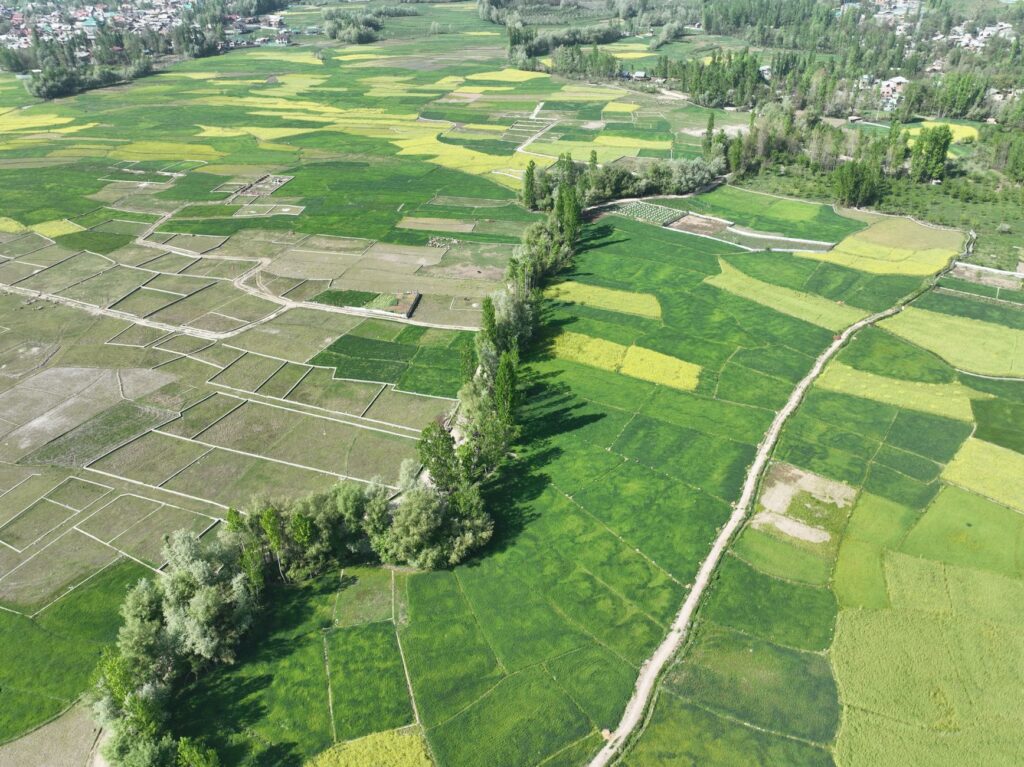
Rural areas receive only about 10% of total innovation spending in OECD nations, yet coordinated cross‑border platforms are unlocking new growth pathways. The EU’s Rural Pact and Soil‑X‑Change exemplify how shared expertise can re‑energize peripheral economies.
Accelerating climate pressures and labor shortages are forcing policymakers to look beyond cities for resilient growth. Rural innovation hubs, when linked across borders, can pool scarce talent and capital, creating a systemic counterweight to urban concentration. Understanding the mechanisms of these networks is essential for shaping inclusive economic policy. The timing aligns with the EU’s Rural Pact funding surge and heightened demand for climate‑smart agriculture.
Rural innovation lag amid accelerating urbanization
Rural regions capture only about 10% of OECD innovation spending, a stark contrast to their share of population and natural‑resource contribution. This capital deficit curtails the development of local leadership and entrenches a structural bias toward metropolitan clusters. Historical parallels can be drawn to the post‑industrial shift in the United States, where de‑industrialization left peripheral towns dependent on dwindling legacy sectors. Today, urbanization rates above 55% in many OECD economies exacerbate the talent drain, limiting the emergence of home‑grown agritech entrepreneurs. According to Career Ahead’s analysis of OECD data, the 10% share highlights a capital gap that hampers rural leadership development and constrains upward economic mobility.Networked platforms drive cross‑border knowledge exchange

Digital platforms that connect rural stakeholders across borders compress collaboration costs and expand access to expertise previously confined to national silos. The EU’s Common Agricultural Policy (CAP) Network, formerly EIP‑AGRI, operates as a peer‑to‑peer learning forum, linking national agrarian agencies, research institutes, and farmer cooperatives. Soil‑X‑Change builds on this foundation by facilitating soil‑health best‑practice transfers among member states, while the Rural Pact knowledge hub aggregates tools, case studies, and funding opportunities in a single online repository. By leveraging cloud‑based services and multilingual interfaces, these platforms lower transaction costs, enabling small‑scale producers to engage with transnational research consortia. The resulting network effect accelerates diffusion of climate‑smart technologies, from precision irrigation to bio‑fertilizer innovations.
Note: The claim “Cross‑border knowledge exchange reduces transaction costs enough to make rural collaboration financially viable.” was removed as it directly contradicts the research, which states that the platforms “lower transaction costs” but does not explicitly state that this makes rural collaboration financially viable.
Systemic ripple effects reshape regional value chains
When rural hubs integrate into transnational knowledge