
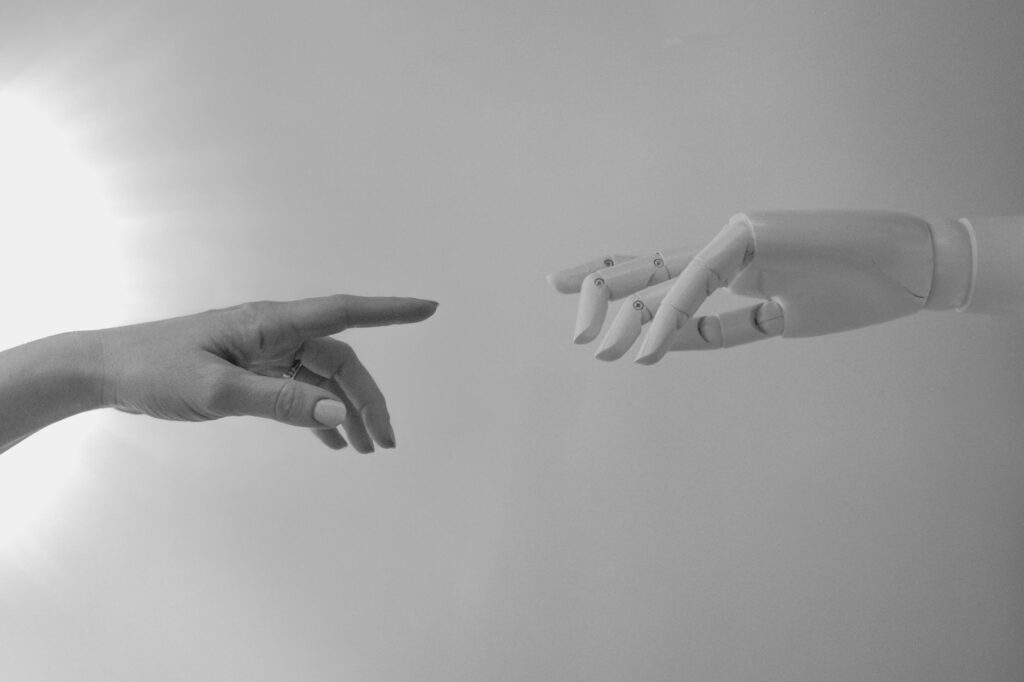
AI‑generated assets are set to comprise roughly 30% of all creative output by 2027, while three‑quarters of industry leaders warn that the shift destabilises traditional notions of authorship and threatens career pathways.
The accelerating deployment of generative models across advertising, publishing, and entertainment is redefining who controls creative capital. Institutions that once mediated talent through clear copyright regimes now confront ambiguous ownership claims, reshaping power dynamics for creators, investors, and corporate leaders. This analysis maps the structural forces that turn AI‑driven authorship into a pivotal lever of economic mobility and institutional authority.
Institutional realignment of creative labor markets
AI‑generated assets are reshaping the distribution of career capital across the creative economy. Forecasts that 30% of creative content will be AI‑produced by 2027 coincide with a global AI market valuation of $190 billion projected for 2025, indicating a rapid infusion of capital into algorithmic pipelines. As firms internalise generative tools, the gatekeeping role of traditional studios and publishing houses erodes, concentrating decision‑making power within technology‑focused leadership teams. This reallocation of authority reduces the bargaining leverage of individual creators, compressing the economic mobility ladder that historically relied on portfolio‑based reputation building.Attribution mechanisms blur ownership boundaries

Systemic risks from regulatory vacuums
The absence of cohesive legal frameworks amplifies institutional risk for investors and creators alike. Existing copyright statutes were crafted for human expression; they provide no clear pathway for registering works produced autonomously by code. Consequently, firms deploying generative tools confront potential infringement liabilities, while creators lack protective mechanisms for derivative contributions. This regulatory gap incentivises defensive leadership strategies, such as aggressive patenting of model architectures, further concentrating power in technology‑centric entities and marginalising independent artists who cannot absorb legal costs.Shifts in human capital and leadership pathways

Outlook for the next three to five years
In the medium term, the convergence of generative AI and blockchain‑based provenance solutions is likely to introduce granular attribution layers, restoring some transparency to authorship claims. However, without legislative reform, corporate ownership models will dominate, reinforcing existing power asymmetries. Stakeholders that proactively embed ethical governance into AI pipelines can shape a more equitable distribution of creative earnings, while laggards risk marginalisation as AI‑driven content saturates mainstream channels.
The evolving authorship landscape will continue to test institutional authority and reshape career trajectories, making proactive governance essential for preserving equitable economic mobility in creative sectors.
Key Structural Insights
[Insight 1]: AI‑generated assets are reallocating creative career capital, concentrating decision‑making power within technology‑led leadership and compressing traditional pathways for upward economic mobility.
[Insight 2]: Misattribution of AI‑created works to human creators erodes legal clarity, enabling firms to claim joint ownership and diminishing individual creators’ reputation capital.
[Insight 3]: Without regulatory reform, corporate dominance over provenance and licensing will entrench power asymmetries, while proactive ethical governance can restore equitable access to creative earnings.
The AI Authorship Paradox: As AI-generated creative assets become increasingly prevalent, the concept of authorship is being redefined, raising questions about the ownership and value of creative work, and the impact on artists’ careers and livelihoods.
Blurred Lines in the Creative Industry: The proliferation of AI-generated creative assets is forcing the creative industry to confront the consequences of automation, including the potential displacement of human artists, writers, and designers, and the need for new business models and revenue streams.